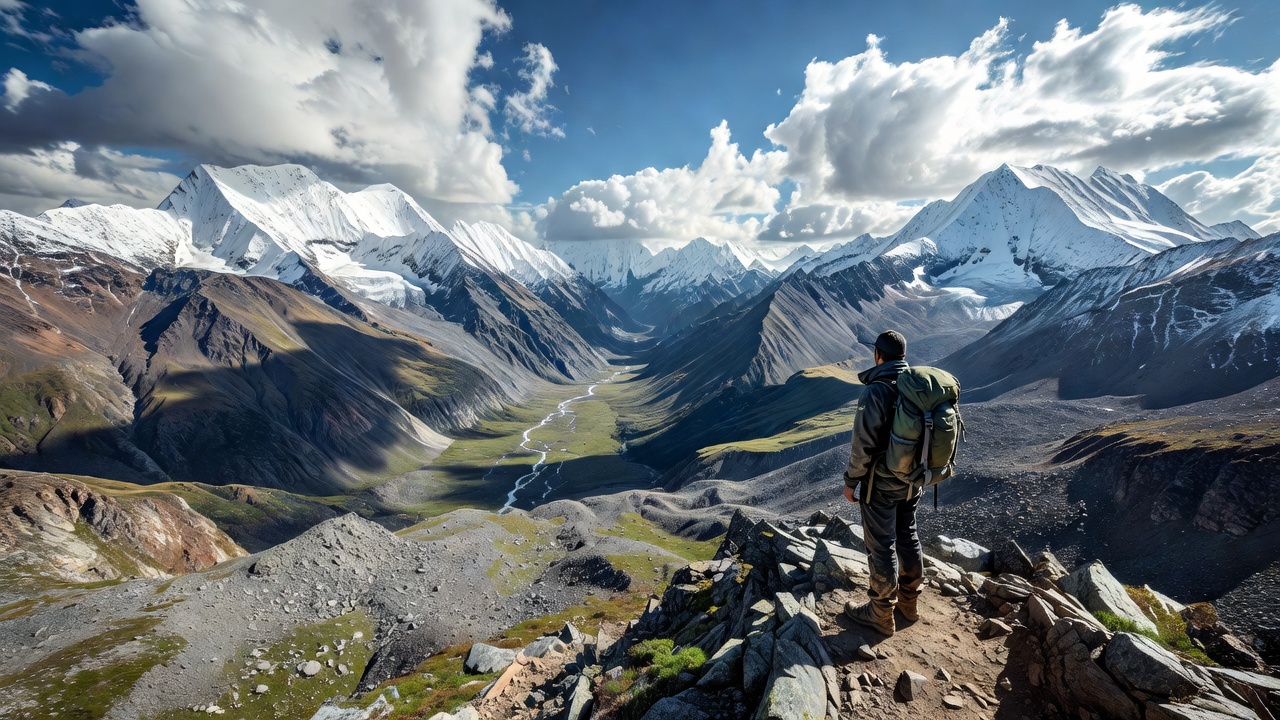
Ascending above 7,000 feet brings unmatched wilderness views, crisp mountain air, and absolute silence. However, high-altitude alpine terrain demands proper technical preparation and weather awareness.
1. Hydration and Acclimatization
The air at high elevations is significantly drier, accelerating water loss through breathing. Aim to consume at least 3.5 liters of water daily, adding electrolyte tablets to maintain stamina. Give your body 24 hours at cabin elevation before embarking on steep 10+ mile ascents.
2. Essential Alpine Gear Checklist
Weather at mountain ridges can swing 30 degrees in under an hour. Ensure your day pack contains layered merino wool base layers, a windproof shell, satellite GPS messenger, topo maps, and emergency thermal blankets.
3. Trail Etiquette and Preservation
High alpine ecosystems take decades to recover from damage. Always stay on marked rock cairn trails to prevent soil erosion, carry out all waste, and maintain a safe distance from alpine wildlife.